Winchester News Online
How is Winchester handling climate change?

Residents of Winchester have already experienced the first cold snap of winter, and are now facing a week of rain and low temperatures.
This may seem all par for the course when it comes to winter weather, but the truth may be a bit more icy.
The Health and Environment Committee will meet with Winchester City Council later this evening to discuss “Climate Adaptation”.
The council’s target is to be carbon neutral by 2030, but the committee has pointed out a massive issue with this; their Carbon Neutrality Action Plan doesn’t seem to actually prepare the city for the impact of climate change.
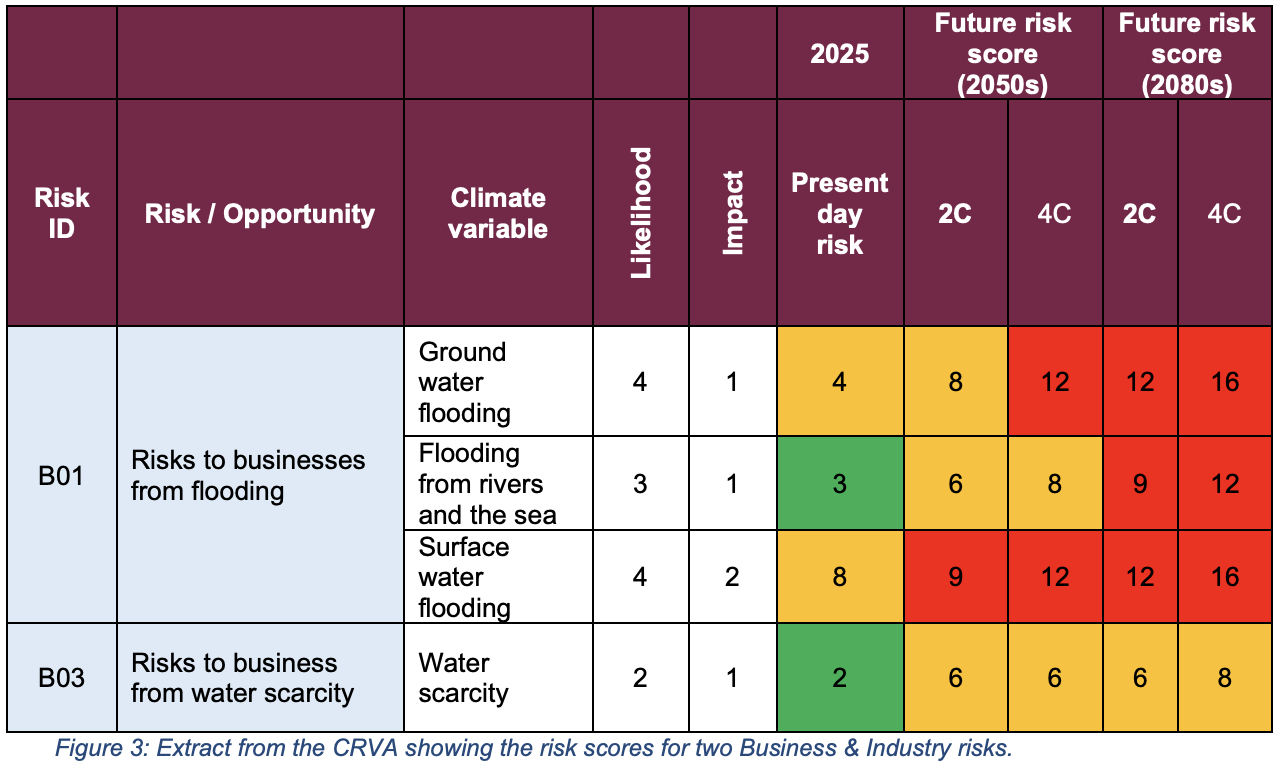
They say climate adaptation is “key” to managing current and preparing for future impacts of climate change, including flooding and water scarcity.
Projections by the CRVA (Climate Risk and Vulnerability Assessment) for Winchester put local businesses at quite high risk of these, especially if temperatures should continue to rise at the rate they do currently.
Many of these risks were deemed highly urgent to address, including health concerns from high temperatures, depleting public water supplies, and issues caused by pests, pathogens and invasive species.
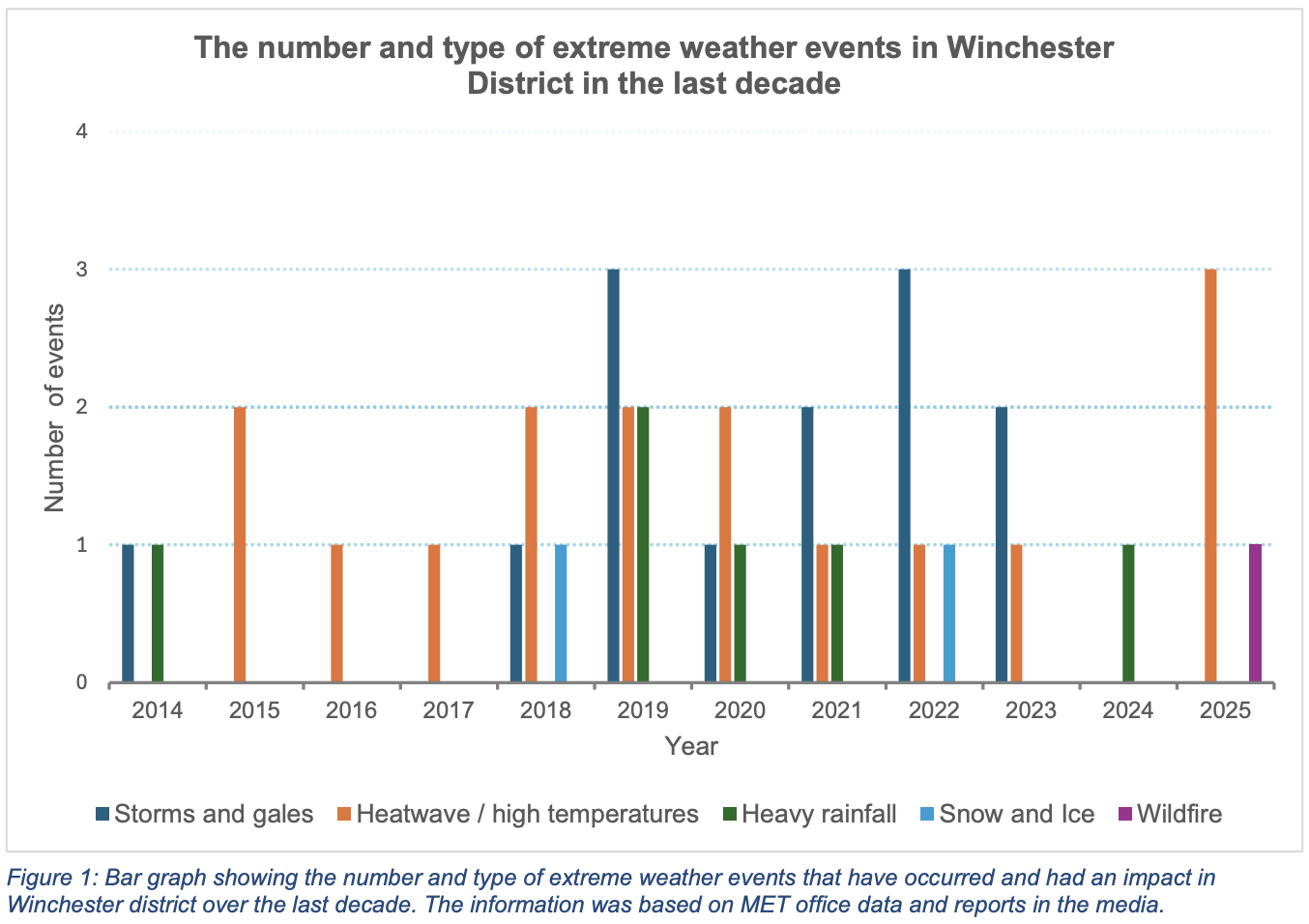
More extreme weather events are also occurring in Winchester – even a wildfire this summer after a field of crops caught ablaze near Hursley.
Since 2014, the committee has recorded a serious increase in storms and gales, which they say cause “considerable damage to infrastructure, impacting local communities and services”,
2025 also had three recorded heatwaves, more than previous years.
Maurice James, the grounds keeper for the University of Winchester, described the issues his team are gearing up to face.
“[We’ll face] more frequent flooding. I think we will get heavier downpours – we may get less periods of rain, but when it does rain, it will be heavy.”
He also says that the staff always prepare for ice and snow at this time of year, but that it “seems to be decreasing”.
A report by the BBC in January backs this up – the UK is certainly seeing fewer days with snow and sleet.
They warned that even some of the coldest areas in Scotland are not safe from the rising temperatures, with the ‘Sphinx’ in the Cairngorms melting five times since 2017 – half of the total times it has melted in the past 300 years.
After a less than satisfactory COP30, it leaves people wondering what can be done to help cities like Winchester to prepare for a changing landscape.