
Winchester News Online
Io Saturnalia: Greeting children into history, one festival at a time

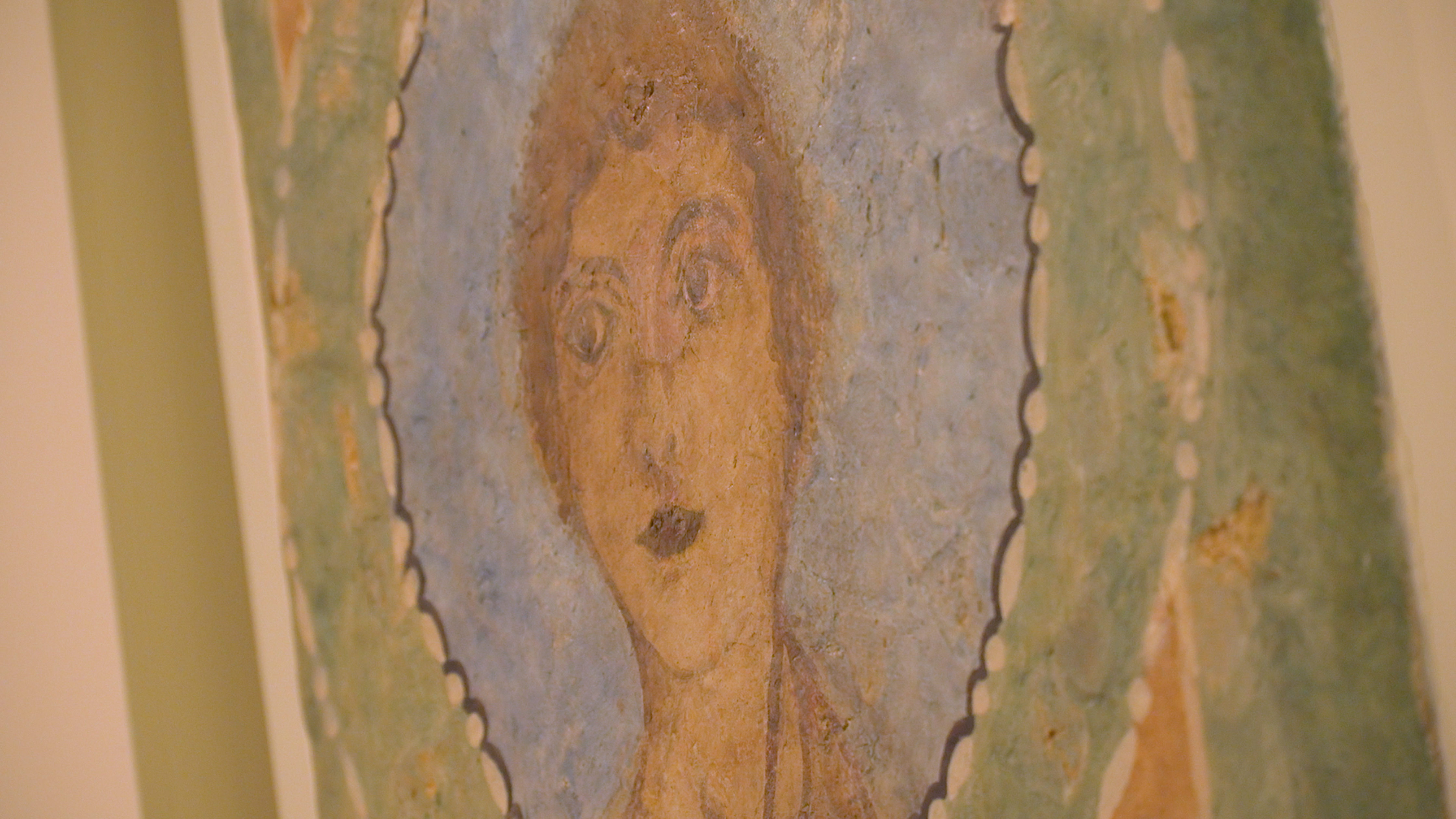
People all across England likely walk over history every day without even realising.
In Winchester, those who take hikes up St Catherine’s hill do so over where an iron-age fort once stood, Jane Austen’s final house is just steps away from the city centre, and, of course, the shadow of Alfred the Great and the Anglo-Saxon capital loom large over the city.
And despite being one of the smallest British cities in modern times, Winchester was once one of the largest settlements in Roman Britain.
At the Winchester City Museum, celebrations of the Roman festival Saturnalia are taking place.
Originally, it was celebrated on the 17th December on the Julian calendar (the 4th on the Gregorian calendar, which most of the world uses), but it expanded to be a week-long celebration lasting until the 23rd.
To celebrate, masters would serve their slaves, female gladiators would fight in Roman arenas, and soldiers at Hadrian’s wall would have had one of their only days off in the year.
This year, children of Winchester are being encouraged to connect with these celebrations, and to be curious about the world around them.
“It’s all about sparking creativity,” Nina Williams, a Visitor Experience Assistant explained. “We aim to get the children asking questions and making them want to come back to learn more.”
To do this, she says, the museum wants to remind people that history isn’t stationary – such as with the dates of Saturnalia changing – and the people who experienced it were living individuals, not just artifacts on display.
To get them involved, the museum creates trails, interactive activities such as sorting modern foods from Roman, and dress up.
The museum also offers specialised backpacks for children with certain educational difficulties, including a map of the museum, sensory information, and a teddy bear to explore with them.
Mili Bhatt, the VEA who introduced the backpack, said that the energy from children being excited over history is “rejuvenating for the museum. In my opinion [children] are one of the most important groups that we serve, because they’re the next generation.”
And with technology evolving at an exponential pace, and as AI and misinformation make online research harder, the Labour government is trying to encourage more media literacy and local history to be included in school curriculums.
History has an “inherent diversity” according to the first curriculum review of this government, which Professor Becky Francis says can be supported by teaching children how to analyse sources, understand historical perspectives, and comparing what they learn in the classroom to local history.
This should combat what was labelled a ‘monocultural worldview’ in the Call for Evidence ahead of the review.

Winchester residents, including primary school children have been celebrated for their support of a local homeless charity.
Every year, the Beacon, which has the main goal of supporting and rehabilitating the homeless, holds an annual supporters evening to thank members of the public who have helped out and raised money to support the homelessness.
The event is held annually in the Arc, with it taking place on the 15 October this year.
The current CEO of Beacon, Robyn Kohler, said: “It’s my intention that we should use the evening to thank people who supported us.”
The Beacon, which has been operating within Winchester since 1988, helps to rehabilitate people suffering from homelessness in the city.
After staying with the charity, many people eventually find themselves on the property ladder, and others even find work.
The event saw a number of volunteers, some as young as primary school age, taking the stage to receive recognition for their efforts in benefiting the charity.
Activities such as knitting, baking, and general arts and crafts were all acknowledged as both donations and ways of raising money.
As well as this, many supporters read out statements written by previous residents of the Beacon, who had since found housing, and wanted to thank the charity for all of their hard work.
Kohler said that, while there are future challenges that they expect to face, Beacon will continue to collaborate with the local community to better ensure the protection of those vulnerable within our society.

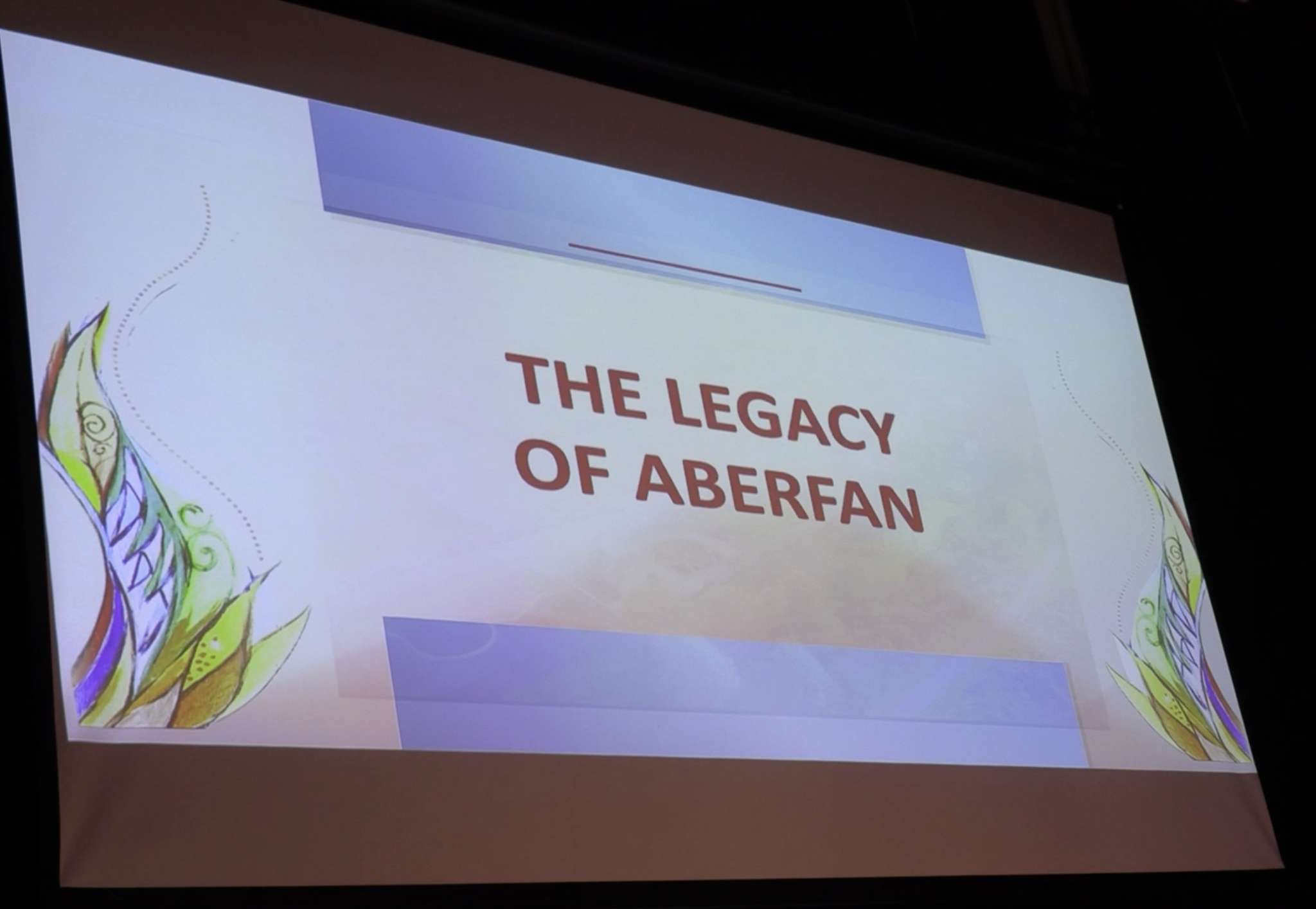
On the 21 October 1966, 116 children and 28 adults were killed when a coal tip collapsed and engulfed a local primary school in the rural Welsh village of Aberfan.
The tragedy was remembered in an event at The Arc – an exhibition centre in Winchester – last month.
Speakers included Sam Knight, a journalist who was one of the first on the scene on the morning of the disaster.
He told of how, just after 9 o’ clock that morning, 150,000 tonnes of coal waste slurry slid down the hill covering the primary school and several houses nearby.
Another speaker, Alistair Jones, whose grandmother had survived the tragedy, told how she always kept a photo of a local boy on her mantlepiece.
The boy, who Alistair’s grandma had spoken to every day on his way to school, was among the 116 children killed.
Liam Jones, who has written a play about Aberfan, spoke of the injustice the survivors faced.
He explained that insurance payments to families who had lost their children were decided on the “level of grief” the parents were exhibiting.
He said some were assessed on “how close” they had been to the children who died.
A national inquiry into the disaster concluded that blame rested upon the National Coal Board.
However, money was initially taken from the public disaster fund to help pay for the removal of remaining coal tips above the village. That decision was reversed 30 years later.
Sam Knight, who chaired the commemoration, said: “Anniversaries like this are always important to keep the memory of Aberfan alive.”

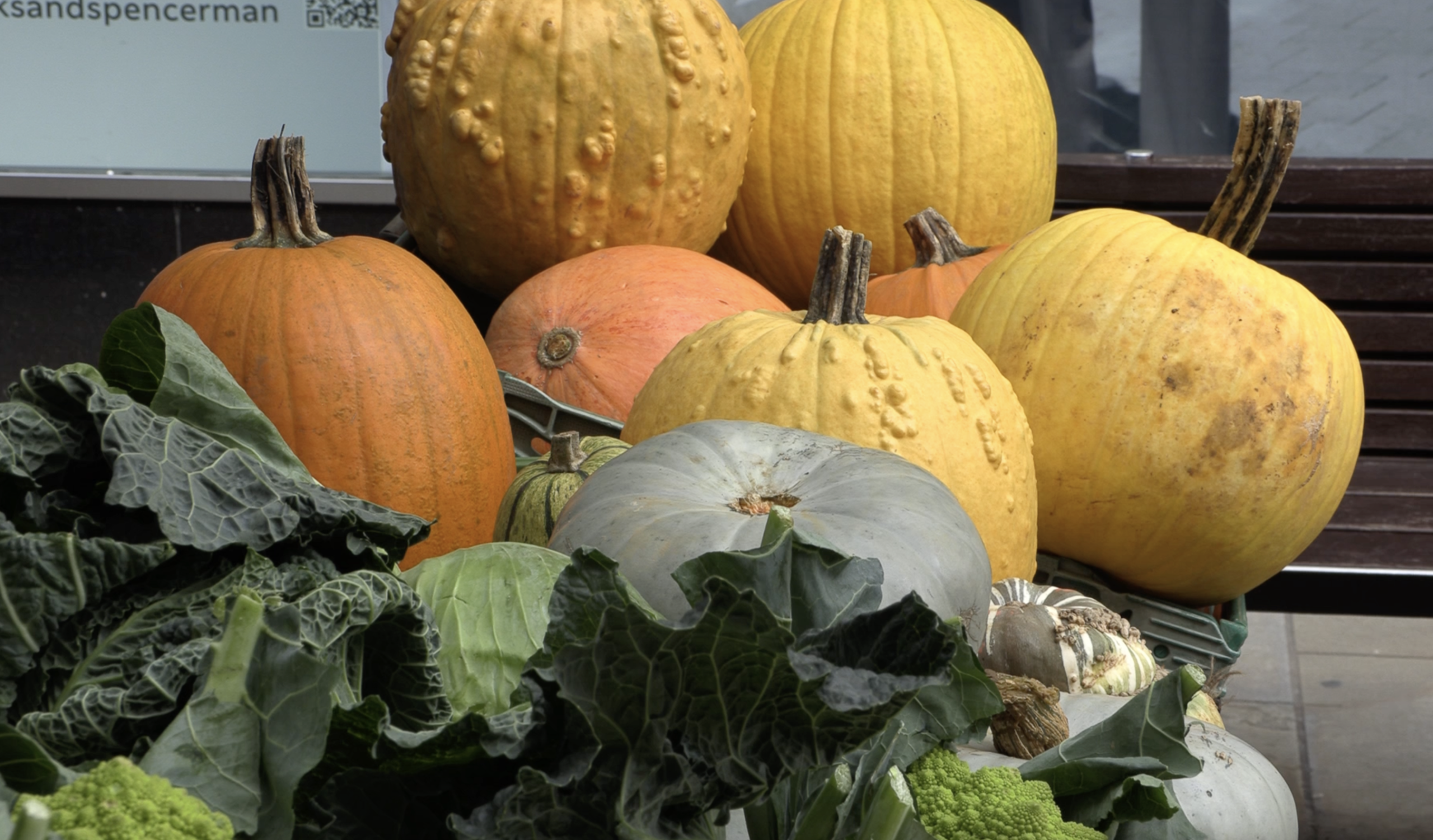
Stall holders at Winchester Farmers’ Market say they are facing “hardship” and are urging people to shop locally.
The small businesses at the market want shoppers to buy local produce, rather than shopping in big supermarkets.
A stall holder at Izzy’s Patisserie said: “The local businesses are a lot worse off because of the chains.
“Personally, I shop locally as well, as it’s the best quality for everybody to have and buy.”
The Farmers’ Market runs every other Sunday. `
It offers a variety of foods, as well as handmade gifts and ornaments.
A stall holder from Purbeck Ice Cream said that the market is still very popular.
She said: “Especially around Christmas time people want to support stalls on the high street, rather than going to the supermarkets.
“We get lots of support from local people and people who have travelled here to support the local businesses.”
One local woman, who comes to the Sunday market regularly, said: “It depends on what the produce is, not everything is available in supermarkets in the same way.
“It is a little bit about supporting the people, but it’s not the main thing. The product has got to be right.”
-

 Bulletins3 years ago
WINOL Sport Week 9 14/11/2023
-

 Bulletins3 years ago
WINOL – Week 9 – 14/11/2023
-

 Bulletins2 years ago
Latest news bulletin for Winchester
-
 Culture9 years ago
ALICE WHEATLEY: SIMON HARMER – BLOWN AWAY
-

 Bulletins3 years ago
Winol bulletin – Week 6 – 20/02/24
-
 Documentary9 years ago
Georgie Wingrove: Peter Waterfield – Life After the Olympics
-

 Inside Journalism3 years ago
Journalists in the News: AI Journalism
-

 Bulletins2 years ago
Latest news bulletin for Winchester