
Winchester News Online
The beauty in nature that we miss – Keats in Winchester

The red-breast whistles from a garden croft.
Keats – ‘To Autumn’ (32)
It’s the autumn of 1819, and a young poet is taking his daily walk through Winchester.
On pathways that modern residents know well, he notices the smallest details, from the gnats at the riverbanks, to the “rosy hue” of the water meadows at sunset.
John Keats comes to the hospital of St Cross, the sound of the river flowing following wherever he goes.
The scent of grass and the gentle hum of crickets play the music of nature.
Leaves crunch underfoot as I follow in his footsteps, the rain coming in soft cycles, and it’s remarkable how little this route has changed.
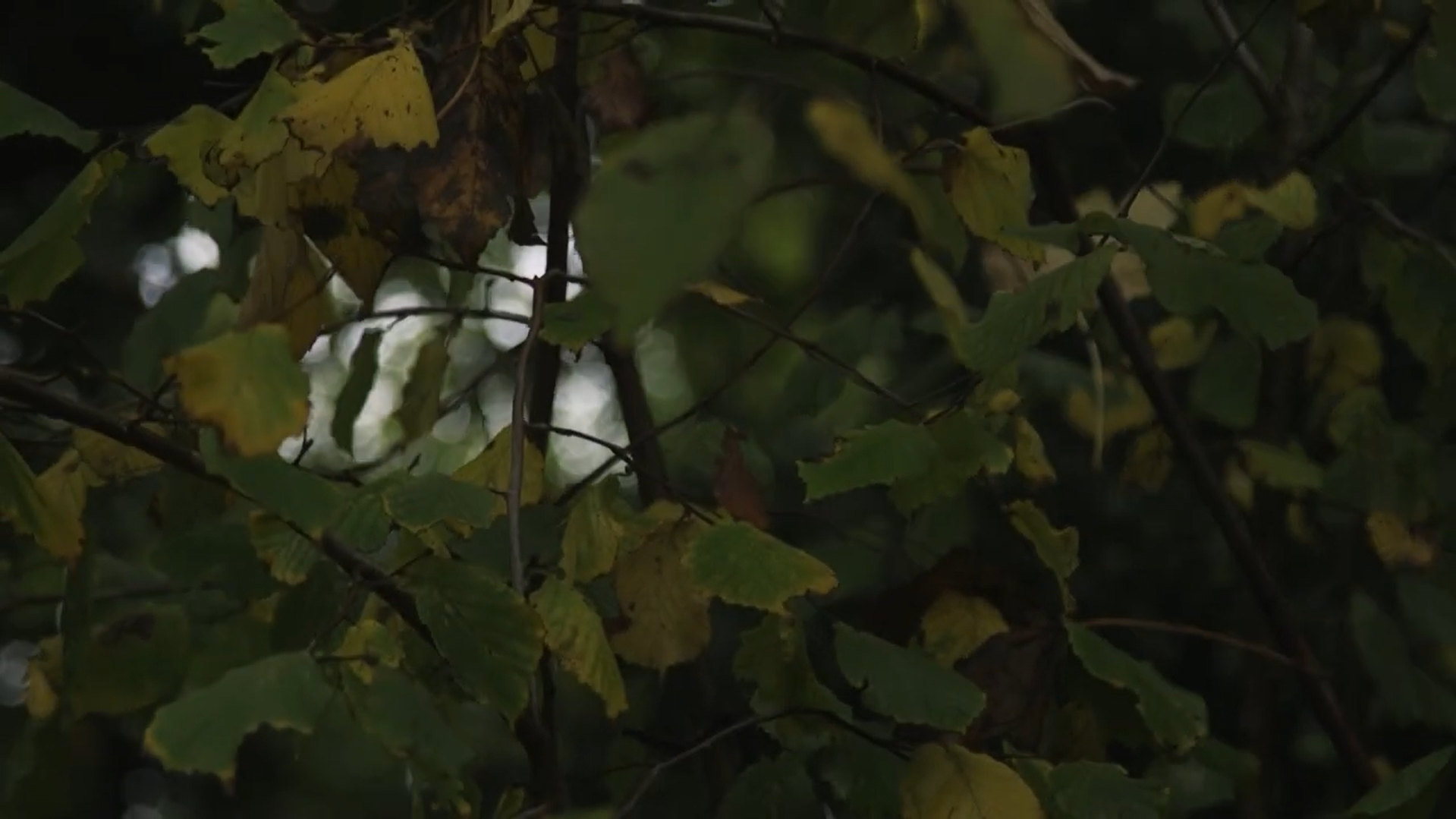
While not explicitly mentioned, the ancient capital of Anglo-Saxon England can easily be felt between each of the lines, which flow like the River Itchen that Keats would have walked by.
Then in a wailful choir the small gnats mourn
Among the river sallows, borne aloft
Or sinking as the light wind lives or dies.
Keats – ‘To Autumn’ (27-29)
I’m guided through the walk by Sue de Salis, the chair of the Winchester Area Tour Guides Association.
She argues that Keats “helps people to see things they wouldn’t otherwise see” – from a tiny snail slowly creeping across a leaf triple its size, to a robin perched on a branch in the shadows of Winchester Cathedral.
Often, To Autumn is interpreted as a poem about dying, but in a way that sees the innate beauty in it.
It uses heavy contrast and double meanings, such as the mist and “mellow fruitfulness”, creating a serene yet bittersweet feeling for the reader.
Autumn is, in some ways, warmer than spring, Sue tells me.
Even on a simply surface level; the red and orange hues that wash over the treeline resemble the warmth of the fireplace as the cold, long nights set in.
But, in a deeper way, although the temperatures are dropping, one is easily reminded of the cosy feelings of knitted jumpers instead of sundresses and cinnamon rolls in favour of Easter eggs.
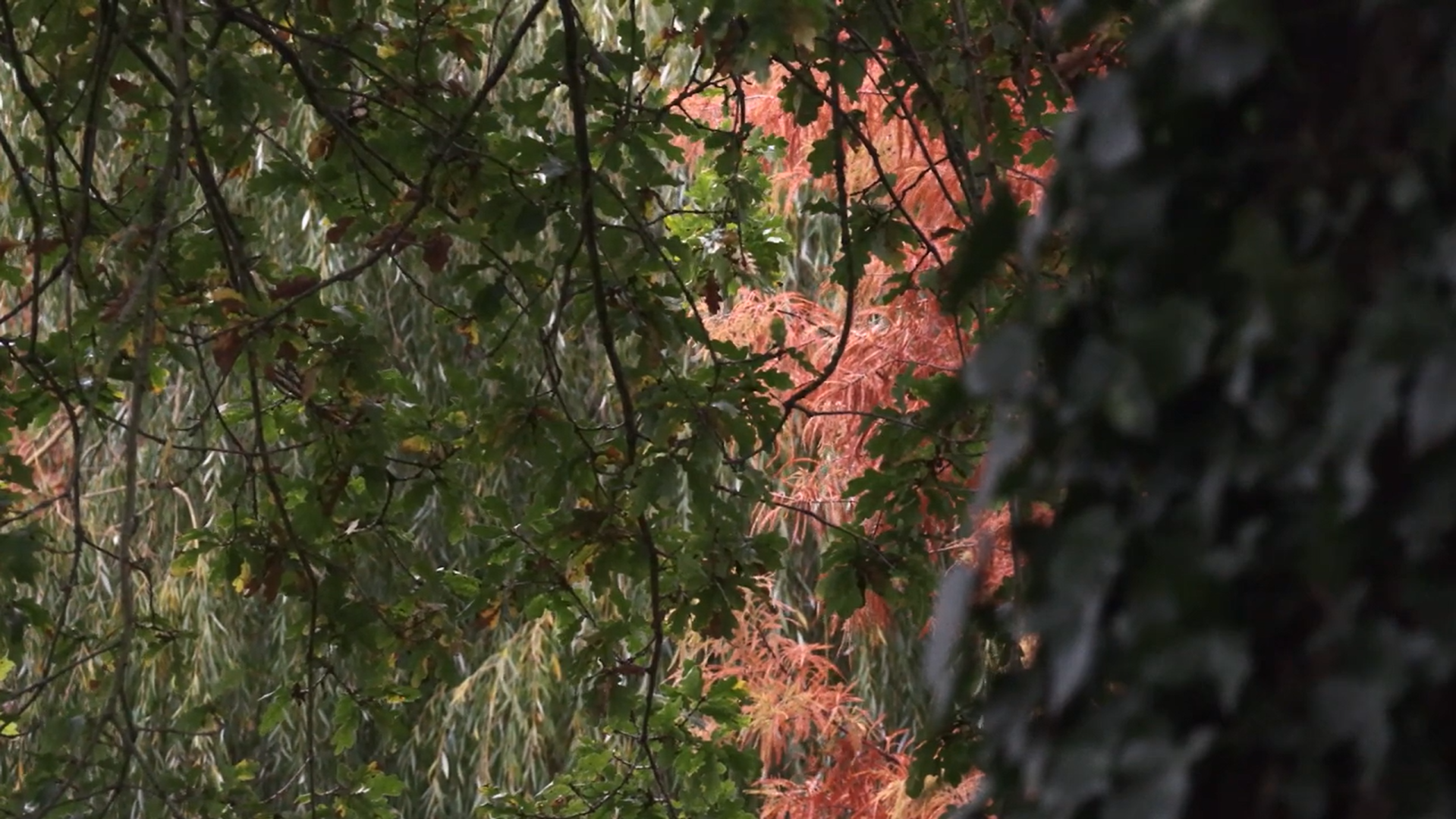
It can be quite easy to forget to appreciate the little things, and as the days grow short and cold and wet, stopping on our walks to watch swans in the river or laughing as we get drenched in a surprise shower doesn’t come to mind.
A lesson that Keats can teach us, between his “flowery” poems and his letters praising Winchester for it’s fresh air, worth ‘sixpence a pint’, is to slow down.
Especially in the social media age, where some people even show signs of addiction to their smartphones, the next few months may be a perfect time to appreciate the natural beauty around us.
And still more, later flowers for the bees,
Until they think warm days will never cease,
For summer has o’er-brimm’d their clammy cells.
Keats – ‘To Autumn’ (9-11)
We should also be wary that the autumn we experience isn’t the same as Keats’ – the UK experience a “false autumn” this year, where leaves fall and berries ripen before the end of summer, and many people wonder if the change between summer and winter is as smooth as it was even two decades ago.
Taking in our surroundings as they are now, on walks such as the Keats’ Trail, or in National Parks such as South Downs, can ground us and help us reconnect with nature.
In a way, To Autumn is not only an ode to the death we see in nature as the seasons transition from summer to winter, but it was also the last major work that Keats completed before his own untimely death at age 25.
There’s almost a sense of finality in his words; the acceptance that the lambs of spring are “full-grown”, the clouds spread over the “soft-dying day”, and there is a consistent imagery of death and mourning .



Brighton and Hove Albion Women scored a second half winner against London City in the Women’s Players Cup.
London City Lionesses had a shaky start to the match not converting any chances and spending most of the half in their own half.
In the 16th minute London City’s young forward, Rosa Kafaji was shown a red card following two yellows for bad fouls, leaving the team with ten.
Brighton’s Emily Murphy managed to score the Seagulls goal the 66th minute giving them the lead and three points.
The attendance of 1,048 fans turned up in support of their teams with signs, flags and chants.
Brighton were greeted by their fans following the match with drums and high spirits as the players gathered thanking them.

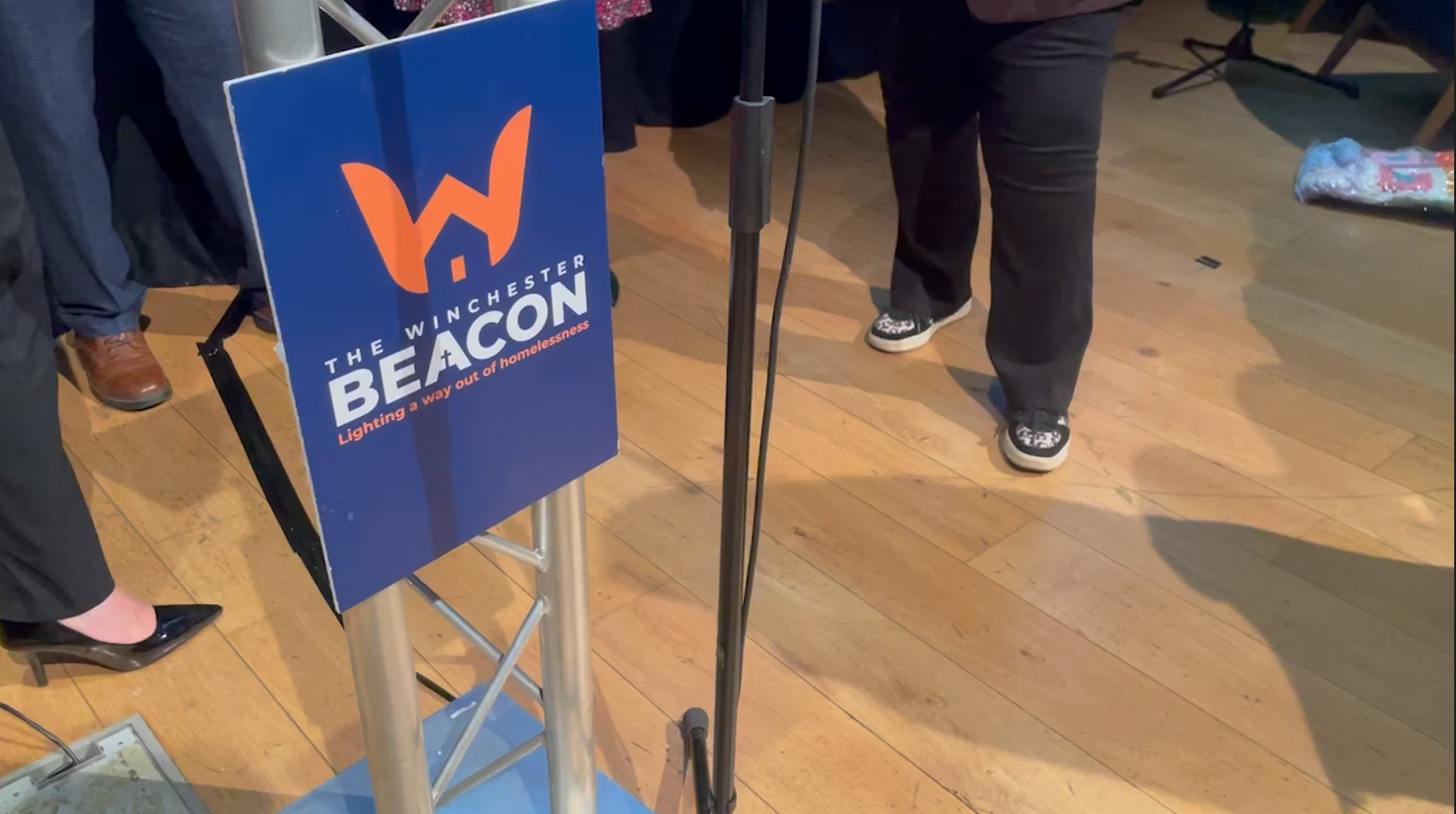
Winchester residents, including primary school children have been celebrated for their support of a local homeless charity.
Every year, the Beacon, which has the main goal of supporting and rehabilitating the homeless, holds an annual supporters evening to thank members of the public who have helped out and raised money to support the homelessness.
The event is held annually in the Arc, with it taking place on the 15 October this year.
The current CEO of Beacon, Robyn Kohler, said: “It’s my intention that we should use the evening to thank people who supported us.”
The Beacon, which has been operating within Winchester since 1988, helps to rehabilitate people suffering from homelessness in the city.
After staying with the charity, many people eventually find themselves on the property ladder, and others even find work.
The event saw a number of volunteers, some as young as primary school age, taking the stage to receive recognition for their efforts in benefiting the charity.
Activities such as knitting, baking, and general arts and crafts were all acknowledged as both donations and ways of raising money.
As well as this, many supporters read out statements written by previous residents of the Beacon, who had since found housing, and wanted to thank the charity for all of their hard work.
Kohler said that, while there are future challenges that they expect to face, Beacon will continue to collaborate with the local community to better ensure the protection of those vulnerable within our society.

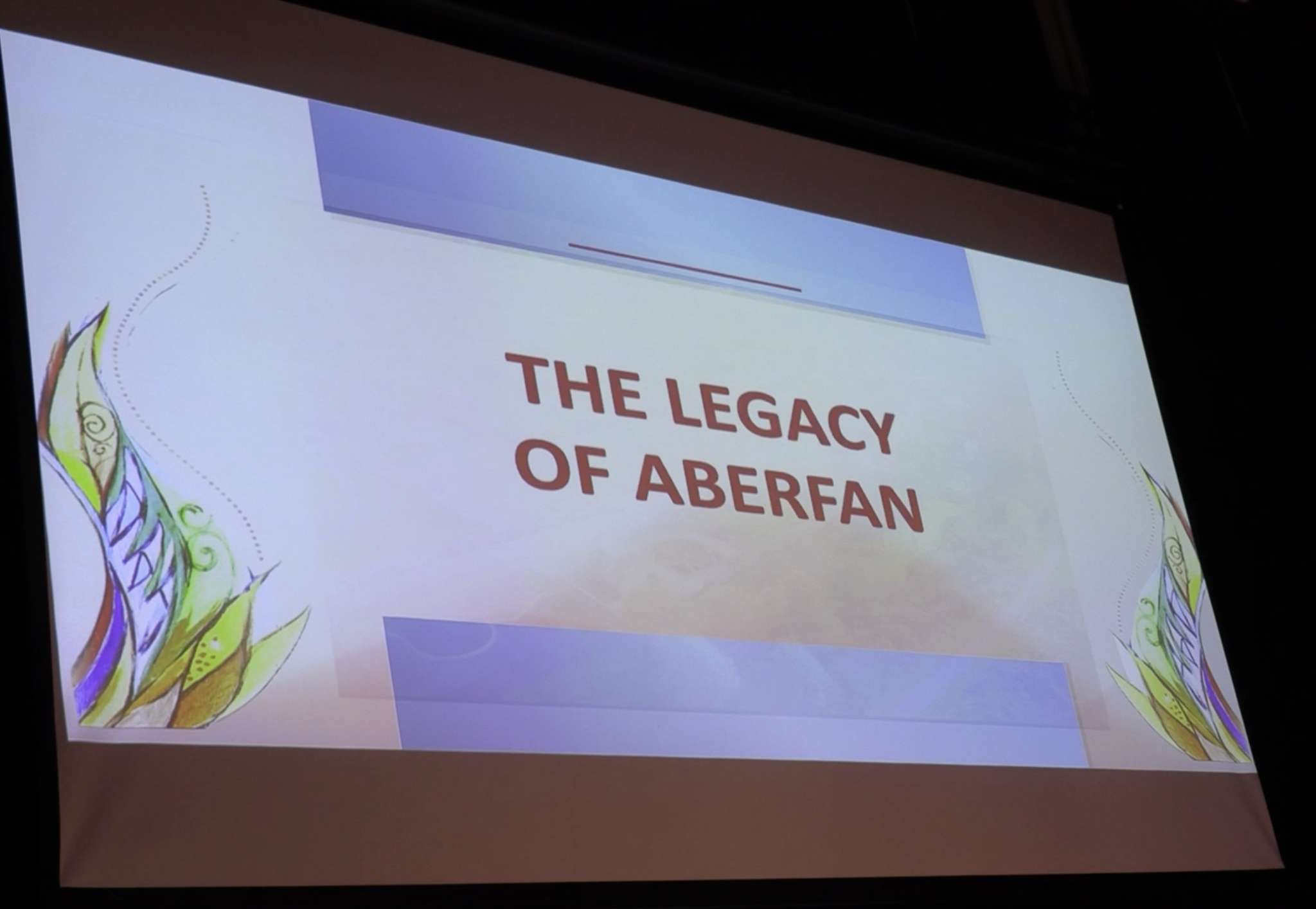
On the 21 October 1966, 116 children and 28 adults were killed when a coal tip collapsed and engulfed a local primary school in the rural Welsh village of Aberfan.
The tragedy was remembered in an event at The Arc – an exhibition centre in Winchester – last month.
Speakers included Sam Knight, a journalist who was one of the first on the scene on the morning of the disaster.
He told of how, just after 9 o’ clock that morning, 150,000 tonnes of coal waste slurry slid down the hill covering the primary school and several houses nearby.
Another speaker, Alistair Jones, whose grandmother had survived the tragedy, told how she always kept a photo of a local boy on her mantlepiece.
The boy, who Alistair’s grandma had spoken to every day on his way to school, was among the 116 children killed.
Liam Jones, who has written a play about Aberfan, spoke of the injustice the survivors faced.
He explained that insurance payments to families who had lost their children were decided on the “level of grief” the parents were exhibiting.
He said some were assessed on “how close” they had been to the children who died.
A national inquiry into the disaster concluded that blame rested upon the National Coal Board.
However, money was initially taken from the public disaster fund to help pay for the removal of remaining coal tips above the village. That decision was reversed 30 years later.
Sam Knight, who chaired the commemoration, said: “Anniversaries like this are always important to keep the memory of Aberfan alive.”
-

 Bulletins3 years ago
WINOL Sport Week 9 14/11/2023
-

 Bulletins3 years ago
WINOL – Week 9 – 14/11/2023
-

 Bulletins2 years ago
Latest news bulletin for Winchester
-
 Culture9 years ago
ALICE WHEATLEY: SIMON HARMER – BLOWN AWAY
-

 Bulletins3 years ago
Winol bulletin – Week 6 – 20/02/24
-
 Documentary9 years ago
Georgie Wingrove: Peter Waterfield – Life After the Olympics
-

 Inside Journalism3 years ago
Journalists in the News: AI Journalism
-

 Bulletins2 years ago
Latest news bulletin for Winchester