Winchester News Online
Ukraine and the morality of war tourism


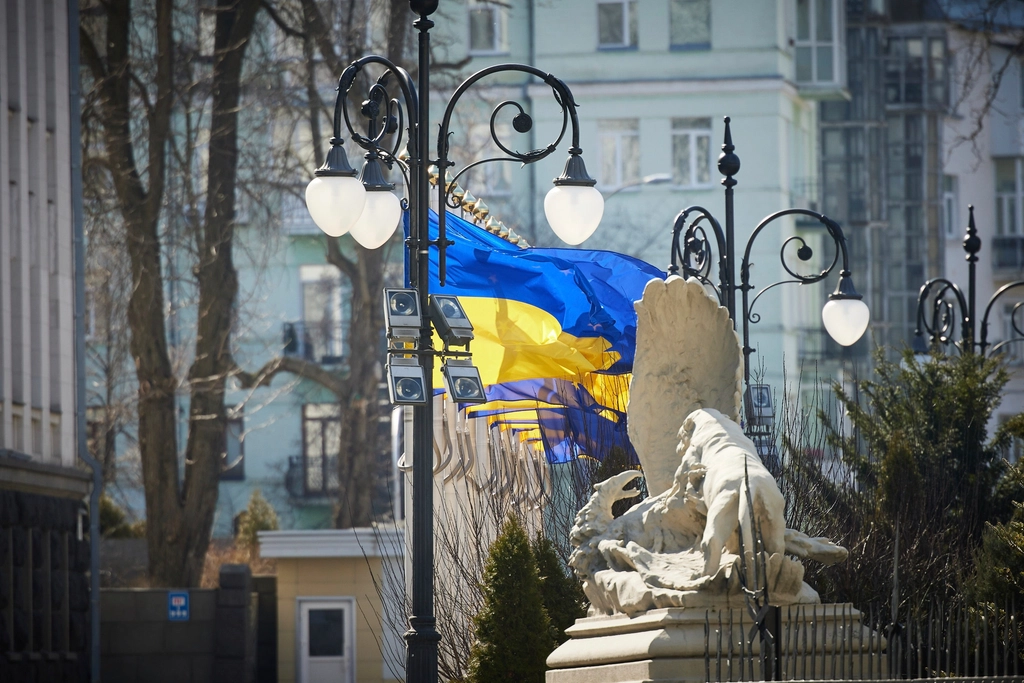
Despite having been in a devastating full-scale conflict with its imperialist neighbour for almost four years, the nation of Ukraine is not only fighting for its survival, but also its future.
One way in which the fragile nation is attempting to protect its uncertain future is by promoting tourism within its borders.
While for many countries around the world, such as Spain or Australia, this is an almost effortless undertaking, for tourism boards within Ukraine, a country currently ravaged by war, and frequent drone and missile attacks, it has proved substantially more difficult.
As of the writing of the article, about 20% of Ukraine’s internationally recognised territory is currently pressed beneath the boot of Russian occupation, with this being the case for Crimea, and parts of the Eastern Donbas region since 2014.
Major cities such as Kharkiv, Kyiv, Odessa, and Lviv are no longer considered safe, with the UK government strongly discouraging any travel whatsoever to the vast majority of the country.
Before Russia’s military ambitions reared their ugly head in Ukraine in 2014, the nation saw about 20 million tourists annually, with the majority of them travelling to cities such as Lviv, Sevastopol (Crimea), and the capital of Kyiv.
The 2014 annexation of Crimea saw the number of tourists to Ukraine plummet by around 50%, primarily due to safety concerns, coupled with the fact that Crimea was considered a major attraction within Ukraine by internal and external tourists alike due to its more arid climate and stunning coastline on the Black Sea.
While constant war and threats of death continue within Ukraine, tourism still prevails within the nation, with almost 1.2 million people deciding to ignore the many warnings issued by their governments and entering.
The vast majority of those entering Ukraine during wartime are known as “War Tourists”.
The idea of war tourism itself is highly controversial in the modern era, primarily due to the fact that while some see it as a way to spread awareness of a struggling country while contributing to its economy and absorbing its rich culture, many others see it as taking advantage of a deeply troubling situation for attention and glorifying the deaths of both military personnel and civilians.
No matter which of these two arguments best represents your opinion on the issue, it is undeniable that tourism is beneficial to the economy of any nation, especially those that are at war.
The Visit Ukraine tourism site, was originally founded in 2021 in order to act as a guide to anyone intending to travel to the country, however it has since transformed into providing advice regarding how to navigate travel plans around the ongoing war, while remaining as safe as possible.
The site heavily advises that anyone wishing to enter Ukraine purchases “cost of war risk insurance,” which can be as cheap as three Euros, as even in the less affected parts of the country, risk of collateral damage is never zero, no matter how far they are from the front.
Being the largest country in all of Europe, when excluding Russia of course, Ukraine is home to a countless eray of stunning cities, towns and villages.
While it would be ideal to be able to encourage travel to each and every one of these locations, the war has made the potential costs of visiting such places too much for the average tourist to bear.
Despite this, however, many areas within the West of the country are relatively safe compared to its more central and Eastern regions/oblasts.
According to “Visit Ukraine”, tourism numbers in cities such as Lviv have actually increased since 2021, just one year before the declaration of full-scale war.
When talking about the West of Ukraine, it would be impossible not to mention the city of Uzhhorod.
Located in the far west of the country within the Zakarpattia Oblast, nestled against the border with Slovakia, the city of Uzhhorod is highly relevant within Ukraine today, as it is the largest city within the whole country that has not, as of yet, been hit by a single drone or missile, making it arguably Ukraine’s safest city as of now.
The city itself is vital to the Ukrainian military and civilian populations, as it houses thousands of refugees from regions more significantly affected by the war, especially young children, and injured soldiers who need time to heal and recover from injuries sustained in battle without needing to undergo the complicated process of leaving the borders of their homeland.
Additionally, cities such as Lviv are also commonly visited by tourists who decide to visit during wartime, since tourism has actually increased within the city, as mentioned previously.
While cities like Lviv, the capital of Kyiv, and many other urban areas within Ukraine are littered with bunkers in order to protect both civilians and tourists, they can nevertheless see days or even weeks of seemingly constant missile and drone bombardment, where civilian infrastructure is often targeted, taking the lives of dozens.
Obviously, since Ukraine has been fighting a full-scale war for almost half a decade, a plethora of members of the armed forces are critically injured, with those that survive needing rapidly supplied blood transfusions in order to save their lives.
Because of this fact, for any tourist that feels an obligation to help the Ukrainian cause in a more impactful way than just contributing to the economy, they can donate blood and/or blood plasma.
This could easily be seen as a moral workaround for anyone who leans towards the argument that tourism within Ukraine would be immoral, as in this case, you being there as a tourist and donating your blood would not only benefit the Ukrainian cause, but also potentially save the lives of someone’s son, husband and father.
To conclude, it is inevitable that some people will feel completely disgusted at even the idea of visiting a nation devastated by war, such as Ukraine, as a tourist, expecting a large aray of services to be provided.
While this argument does hold substantial weight, the fact is that if you take steps to benefit the people of Ukraine while spending time there by donating blood when visiting cities such as Uzhhorod, that are currently home to numerous injured soldiers and civilians in need of life saving aid then the nation will be slightly better off for it, and you will be doing a service, rather than purely having a service provided to you at the expense of the citizens.