Sport
Behind the curtain: The real world of professional wresting

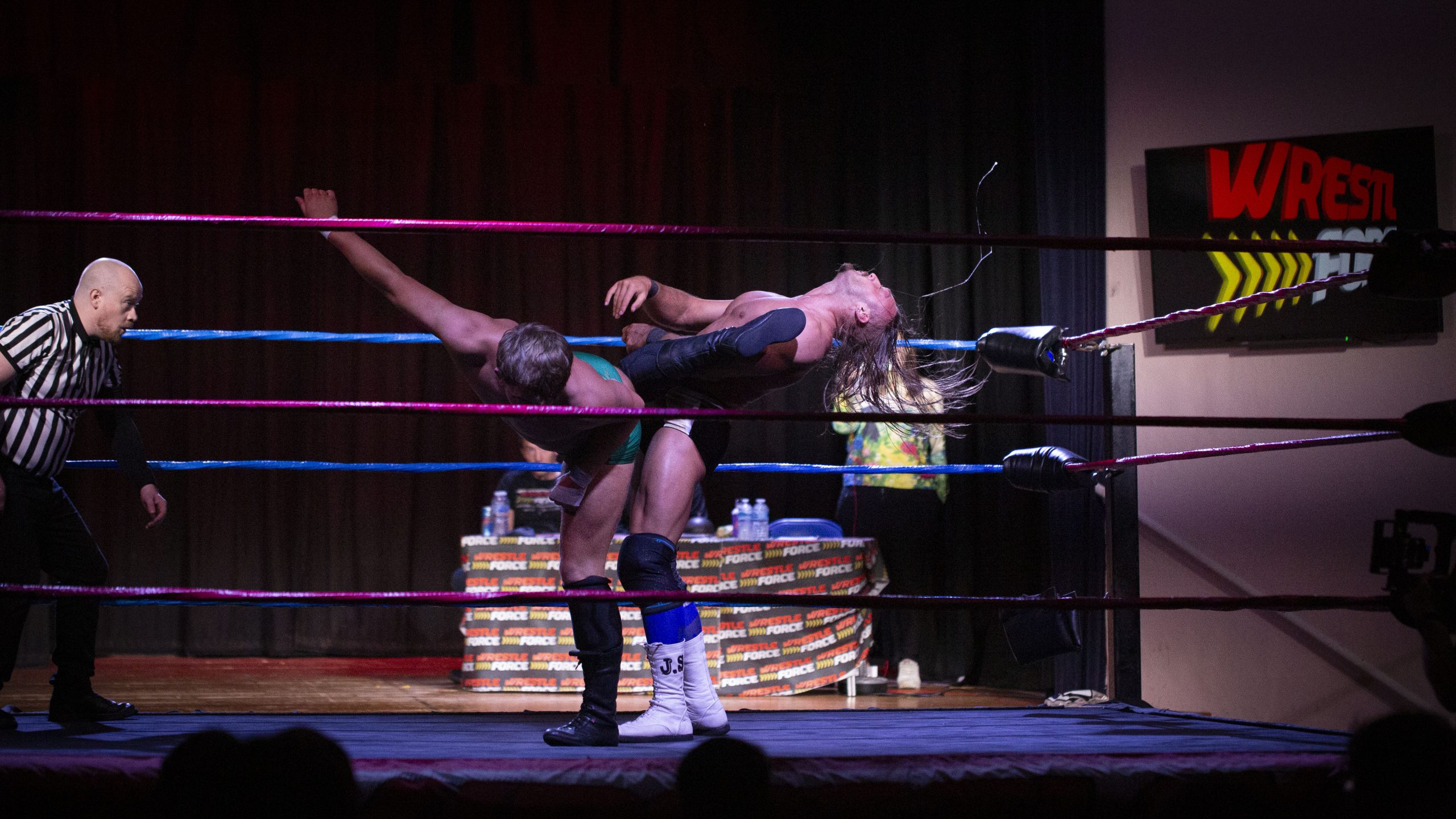
It may look painful, but behind every move in professional wresting there is technique, timing and years of practice.
Professional Wrestling blends in athletic ability with storytelling, where every match is choreographed to look dramatic while keeping performers protected and safe.
Every sequence in the ring relies on communication, trust and split-second timing between the wrestlers in the ring.
According to Southampton-based wrestler Lucian Philips, professional wrestling is comparable to chocolate.
“Professional wrestling is a physical artform of theatre – I think it’s a sport with theatre injected inside it.
“Some people will say it’s physical theatre or extreme EastEnders, but it depends as there is different types of wrestling.” He elaborated, “It’s not just chocolate; you’ve got dark chocolate, white chocolate, milk chocolate, chocolate with hazelnut in.”
“It all depends on the customer and the branding of wrestling.”
In the build-up to the shows, wresters will spend many hours going through different sequences and how they’ll execute each move safely.
“There could be many different things [we’re going through]. You could be wrestling someone who’s recently came back from injury or concussion, there’ll be certain spots you can’t do. We could be talking about who’s winning, how are you going to win? how are you going to lose? is there a promo to get people to come back next time?”
Despite the preparation, injuries are a reality of the sport.
Injuries are an unavoidable part of professional wrestling, largely because the physical impact involved is real, even if the matches are choreographed.
The ring is designed to absorb some shock, but beneath the padding lies solid wood and steel, meaning each slam or jump carries a genuine risk.
Even with rehearsed sequences; the speed, weight and unpredictability of live performance mean injuries can — and do — happen.
For Lucian, experiencing these risks first-hand is simply part of the job. He believes the rise in injuries is largely due to the increasing intensity of the sport.
“Anything can happen injury-wise — I’ve had many,” he said.
“But nowadays it’s about being mature and investing in things like physio, chiropractors, and sports massage.
“This is a physical profession; it used to be, ‘Have a beer, take a painkiller, and let’s go.’ We’re doing far more physical work inside the ring now, so there has to be more recovery outside of it.”
He argues that the growing intensity and demand in wrestling mirrors trends in other combat sports.
“Look outside wrestling. There was boxing — that wasn’t enough. Then came UFC — that wasn’t enough. Now there’s bare-knuckle boxing. But it also depends on the branding. Some wrestlers love the entertainment side; it’s theatre with intensity.
“Another reason for injuries is that we’re always trying to give the fans more.”